Blog

12 Jun
0

Letting God out of the box in our heads

Three in One. That’s the message of Trinity Sunday.

And many ministers, pastors and preachers have used an array of illustrations to help us understand what God is like.

As a child, my Presbyterian minister with an Irish heritage used the example of the shamrock – three leaves united by one stem, one plant; in the theological terms, there’s God the Son (Jesus, our Lord), God the Father and God the Holy Spirit (Our Comforter).

My mother chose another simple explanation: she was my father’s wife, my mother and my Granny’s daughter. Three roles, one person. The three roles brought out very different attributes and qualities.

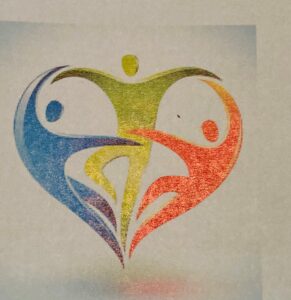
Today at St. Andrew’s Barrie, Rev. Joanne introduced another. This is perhaps the most beautiful illustration: it’s call perichoresis.

“It’s like a harmonious set of relationships in which there is a mutual giving and receiving,” writes theologian Jonathan Marlowe. “This relationship is called love, and it’s what the Trinity is all about. The perichoreisis is the dance of love.”

At St. Andrew’s this morning, Rev. Joanne showed the kids the dance and brought in a lady celebrating her centennial birthday this week. The young and the old and everyone in between belongs – and brings – something wonderful to the dance.

As inquisitive and analytical as some of us might be, it’s perhaps best not to put human limits on God – limits of our understanding, our minds, our imaginations and our language.

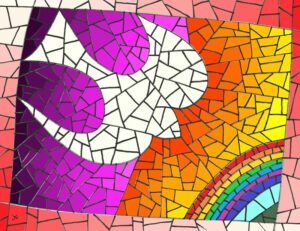
One thing we can take away from this Sunday in June, the day after Barrie Pride celebrated its parade, is God’s pronouns: not He, not She. They.

Human constructs, by their nature, impose limits that are human and God transcends these.

So don’t put God in a box. Challenge yourself to discover and explore God’s vast goodness.


Read More
08 Jun
0

No Title

Building relationships, building community and building a better world for all of our children.

That is the quiet, unspoken truth discussed in St. Andrew’s lifelong learning series that focused on healing and reconciliation with our Indigenous neighbours.

In the first session in April, we looked back at the relationship and interactions with our Indigenous neighbours that began with the “discovery” of North America, known as Turtle Island. Turtle Island was home to many nations who lived on the land, cared for the land and cared for their people. There was a rich culture and a way of life that embraced sharing resources and restorative justice.

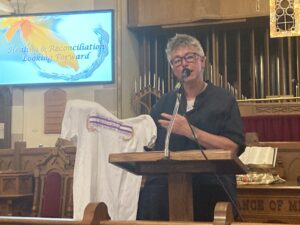
As we continued our learning, Thundering Eagle Woman – known in Presbyterian circles as Rev. Dr. Margaret Mullin – shared some of her wisdom with Rev. Linda Patton-Cowie, whose work has included being the Healing and Reconciliation Journey chaplain and past convenor of the Healing and Reconciliation Advisory Committee.

Mullin is like a bridge: She brings an Indigenous eagle staff into the church – something she says isn’t popular with the Indigenous community or with the church. She noted that some in the church look on it with suspicion, because she brings in an element of spirituality that isn’t Christian.

“It’s a learning process for me but I’m confident in this stage of my life that this is what God is calling me to do,” said Mullin, who is of Irish/Scottish and Ojibway descent. Now ministering at Place of Hope Presbyterian Church in Winnipeg, Rev. Mullin helped create and build the ministry of what is now the Winnipeg Inner City Mission.

“Indigenous and non-Indigenous, all nations of the world, live in a common river of life. We live in different areas of the earth because that where the Creator planted us,” she said.

And that is the starting place of building a relationship: recognizing we are inter-dependent and very connected.

Each one of us is a steward of our world and our community. Rev. Mullin noted that’s an Indigenous world view.

But perhaps it is also a Judeo-Christian one, as God gave man the authority to care for the world.

Yet in Canada, we have the legacy of residential schools. How do we move forward?

“You have a broken relationship with creation or with the community. How do you right the relationship?” Mullin said in her presentation. “Justice circles include the victim and the perpetrator and everybody is intent in restoring the relationship.”

Healing includes learning the other’s perspective and working with others interested in building a better relationship.

“From being on both sides, we have common desires and values. Everybody is looking for what is good and what is right and looking to God for those answers.

“We need to look for consensus,” she said, but unanimity may never be. “Everybody hears what everyone’s thinking and praying and working on something everyone can live with.”

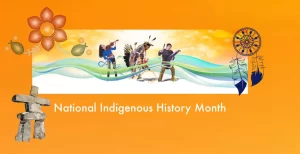
Let’s continue learning. June is Indigenous People’s History Month and the Barrie Native Friendship Centre and the Barrie Area Native Advisory Circle are hosting celebratory events this month, and there are also ongoing, regular events like a nature walk at Springwater Park and a medicine bag workshop.

They have Facebook pages that celebrate who they are and how they help and can be helped.

For example, the friendship centre’s Hunger to Hope Pantry needs donations of soups, canned fruit and vegetables, macaroni and cheese and cereal. Drop them off at the centre on Bayfield Street, just north of Wellington Street.

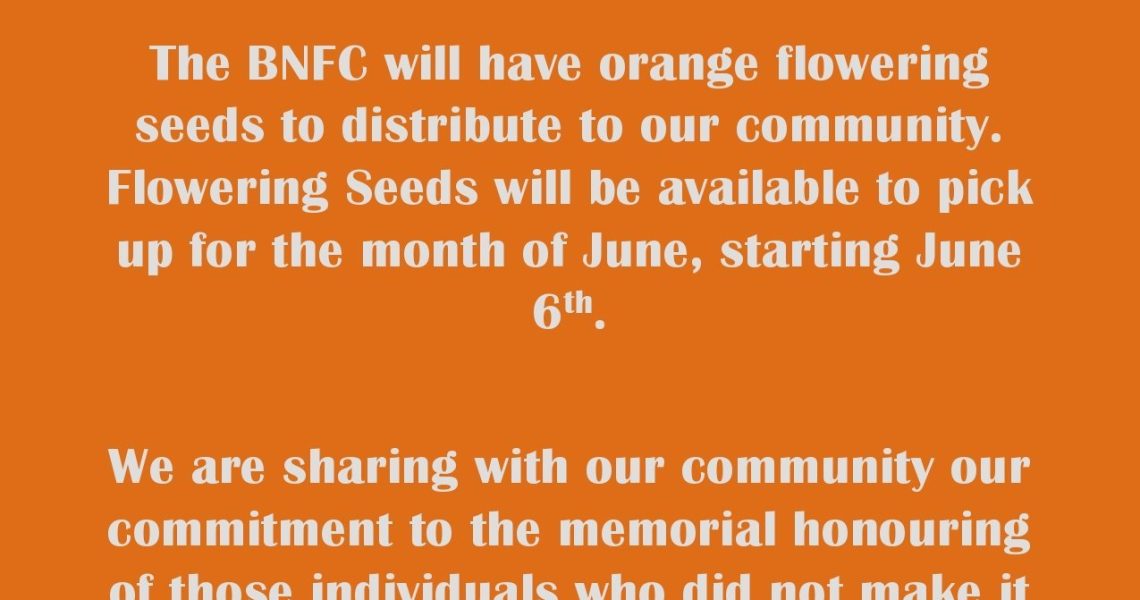
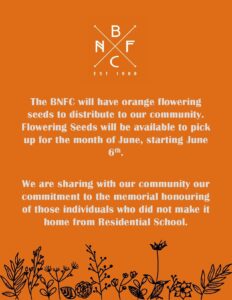
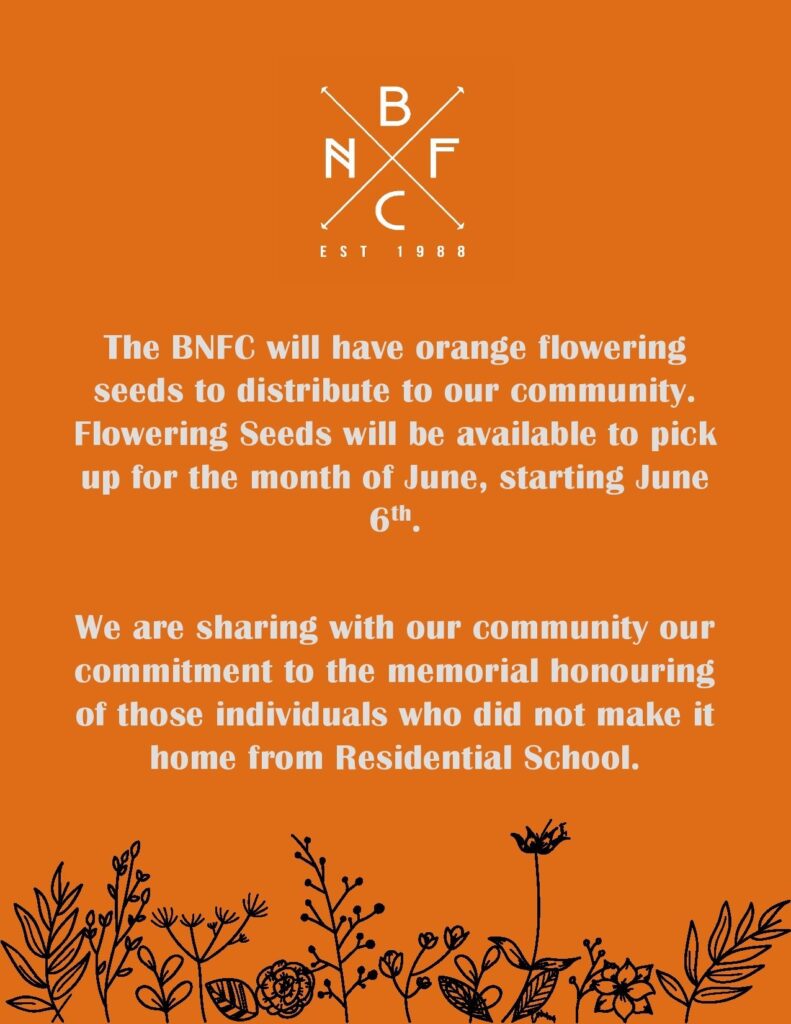
Another option is to drop in and take the centre up on the offer for orange flowering seeds – a gentle way to remember the children who never returned home from residential school. While you’re there, say hello and begin a journey of learning.

Rev. Linda noted she learned a lot while canoeing on the Grand River with Indigenous teachers with Two Row on the Grand, a reconciliation and learning journey. More info is available at http://tworowonthegrandriver.com/

What are you curious about? Use that as a stream that connects to the river and join others on the journey.


Read More
05 Jun
0

Defining Christian event was Inclusive

There are defining moments in all our lives, and in the life of the Christian church, Pentecost is acknowledged as its birthday.

Just step back in time and imagine you’re going to a festival, a cultural and community event that attracted people from far away. In our times, think of perhaps Kempenfest, which celebrates the arts and music and brings people to Barrie from all over Ontario.

It was in a similar setting that the Holy Spirit blew into and through a community of believers. In Acts 2, the event is described: winds, tongues of fire, and miracles.

Because people came from far and wide – Mesopotamia, Judea and Cappadocia, Pontus and Asia, Phrygia and Pamphylia, Egypt and the parts of Libya near Cyrene and even visitors from Rome – there was an incredible diversity of language.

But God’s love and God’s Spirit provide connection. And miraculously, people were able to communicate and share God’s love with others in their language.

Each one of us is a spirit on a human journey. We may have walked different paths and come from different places. Our experiences and our challenges may have been different – but in the midst of them, there is a commonality: our humanity.

At Pentecost, God poured out the Holy Spirit and gave the Comforter to His people.

That includes you and me, people like us and people very different from us. That really enhances the beauty and enhances the human experience.

This is important to remember as June is Pride Month and Indigenous People’s History Month in Canada. These communities within our broader community have incredible gifts to share with us. Next Saturday, Barrie Pride hosts a parade, at 2 p.m., downtown Barrie.

What an adventure for all of us to learn and enrich our own lives and the lives of others.

Read More
29 May
2

Walk softly in springtime

In the pre-pandemic days, St. Andrew’s choir would, every year, sing Walk Softly in Springtime.

A gentle hymn of praise and appreciation for the beauty the Creator gives us each day, the hymn is written by Canadian Edna Grant.

Have a listen with this choir at https://youtu.be/TmQ-jlaYha4 or sing it yourself by folllowing the lyrics that are accompanied at https://youtu.be/9J7qc2lMOQU

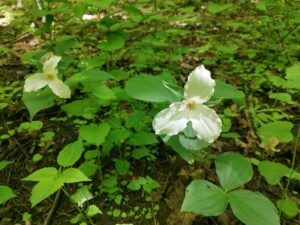
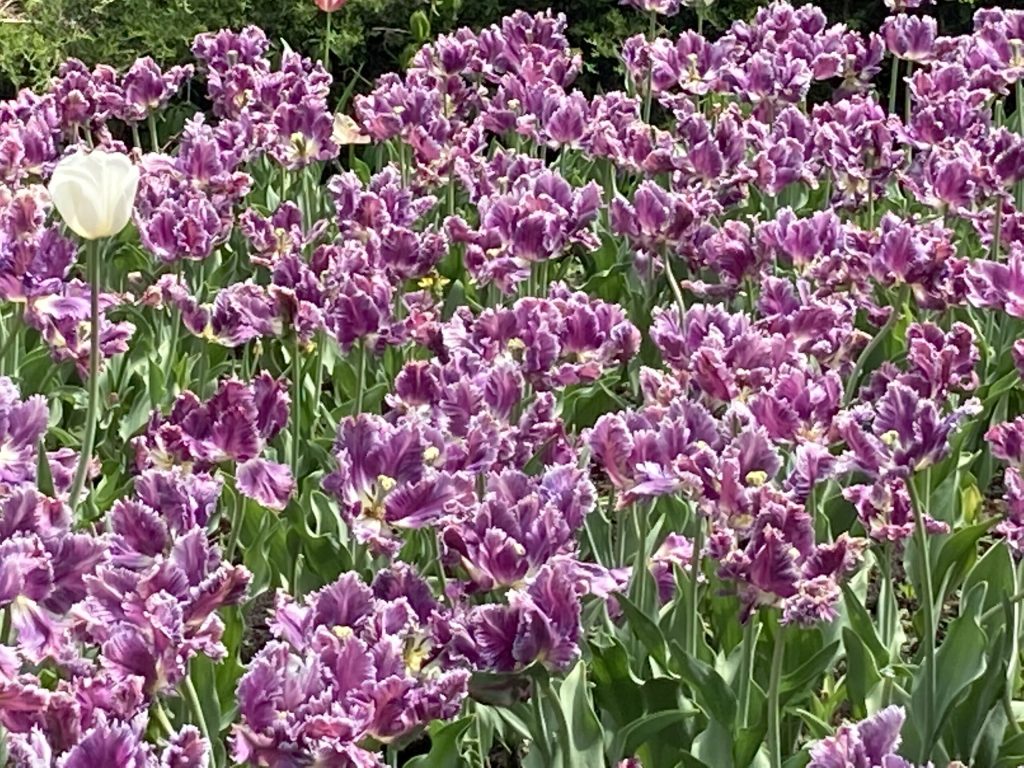
It is a poem thanking the Creator for the beauty around us. The trees, each with its unique architecture and each with its own time for leaves to bud and burst open. The flowers – the earliest bulbs like the crocuses, then the tulips and the bulbs and other flowers to come.

In Canada, our appreciation of nature and the seasons acknowledges Indigenous wisdom. In Canada, our value of helping our neighbour to not just survive but flourish, again, is infused with the Indigenous value of community and caring for others.

Last week, in our second Healing and Reconciliation series, Rev. Dr. Margaret Mullin — an Indigenous woman and Presbyterian minister — perhaps said it best: “Indigenous and non-Indigenous (people), all nations of the world, live in a common river of life. We live in different areas of the earth because that’s where the Creator planted us.”

How beautiful. How wise.

In Canada, our sense of caring for the land and for each other includes the Indigenous values of healing circles, of working together to survive and caring for the world around us, as we recognize we are only stewards of it.

Although different, although varied in talents and in needs, we each have a role. We need what each other brings.

What are your talents? What are your interests? You are an incredible work and are deeply loved. You might not blend in with the crowd – but that’s not just ok, it’s an incredible opportunity.

How can you share what you are as we walk together to care for our world – our environment, our community, our world.

Start by walking softly in springtime.


Read More
23 May
0

Relax. God has a plan – for you and for me.

This past holiday weekend, as a horrible storm went through Ontario, it snapped and uprooted trees, cut power for thousands of people, and tragically, resulted in some people dying.

The first long weekend of the unofficial Canadian summer season began beautifully, with bright blue skies and summer-like temperatures, perfect for enjoying gardening or time outdoors with friends.

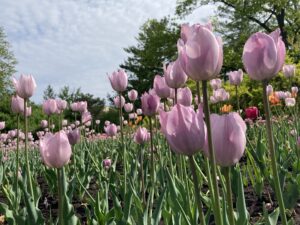
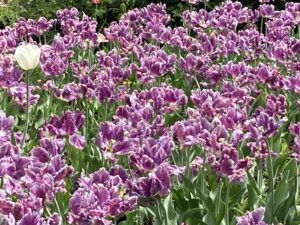
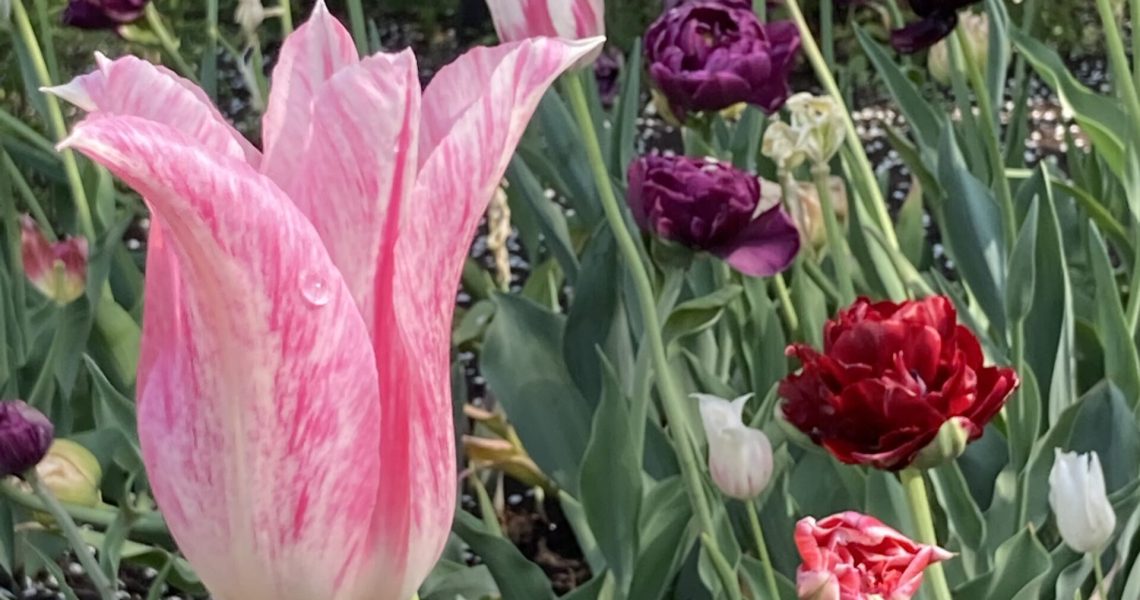
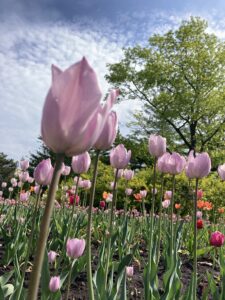
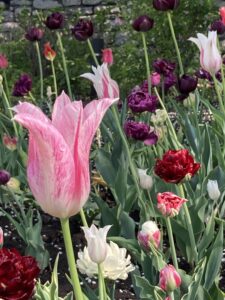
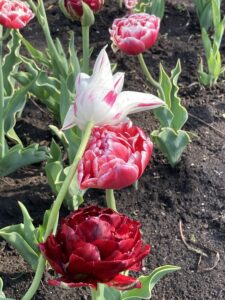
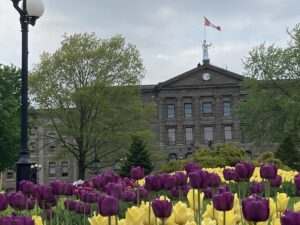
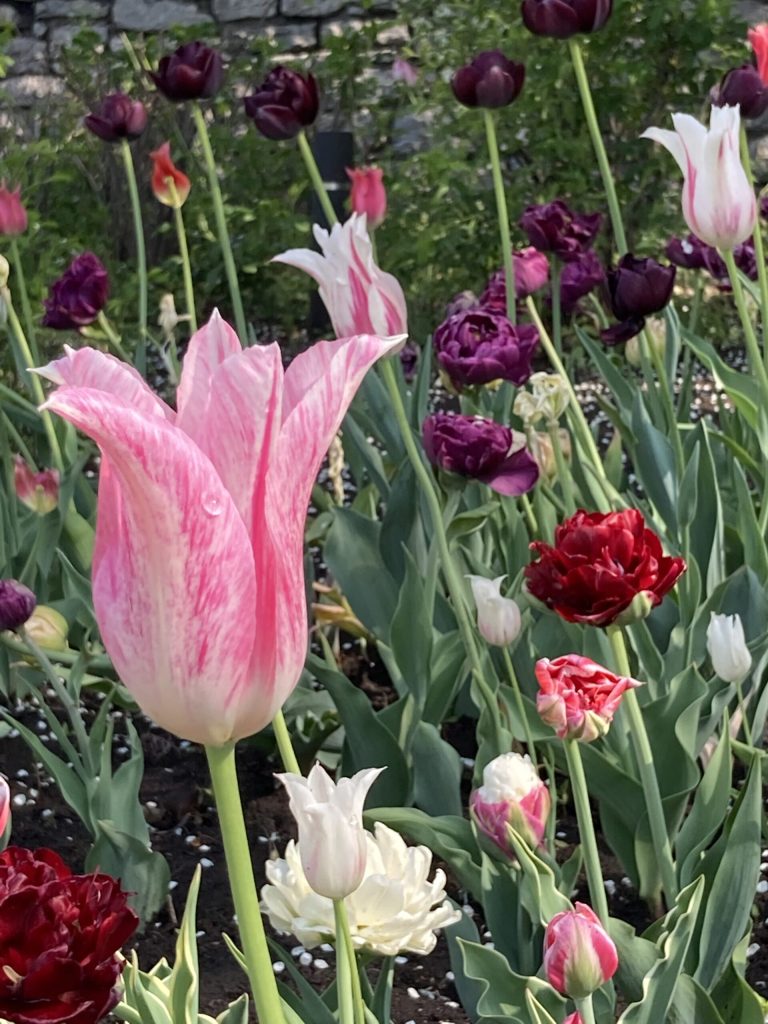
The cooler weather in the middle of last week meant the tulips would last longer, hopefully until the long weekend. Whether in my garden or yours, or in the gardens of our nation’s capital, the tulips continued to bloom.

In their incredible diversity, they remind us of God’s incredible creativity. They remind us that although we are not all alike, each one of us is a beautiful creation.

In the diversity, we can see each person’s unique beauty more clearly.

God’s love paints incredible virtues on each of us. With each hardship – like the cold, damp winds that we and the bulbs that sprouted up earlier this spring – the beauty of what God intends still not only emerges, but shines.

In each of our lives, there are terribly dark days. Doors slam closed. Windows that we hope will open remain stubbornly shut – and worse, they made appear clouded and dirty as we attempt to see and understand what’s beyond today.

And so on Saturday the bright blue skies of Ottawa turned dark and gloomy, as the storm ripped across the province eastward.

In this week’s worship service, Rev. Joanne takes a closer look at the apostle Paul’s travel plans. God changes them. At the time, Paul likely didn’t understand why, but we can see the wisdom now.

In Acts 16, God uses Paul’s Roman citizenship to gain him access to Europe. He used his education and upbringing to help him relate to others in a part of the world he knew nothing about. There Paul encounters a Gentile woman, Lydia, and she becomes the first believer.

The differences between the two individuals combined to create an opportunity for God to create something new, vibrant and beautiful. You can listen to our service at https://youtu.be/kyaC4Udi-qI

In the wake of storms, whether by weather or by events in our lives, we offer support for each other. We each are a beloved child of God and where we are planted helps us be a support for each other. As we support each other, step back and see the beauty God sees.

On Saturday, the hotels in Ottawa were all full. There was no chance there’d be a door opening for a third night.

So as I left the then-blue skies of Ottawa behind, I left not knowing what I would find ahead. Hours later, the storm landed in Ottawa, hours from where I now was. After 15 minutes of rain, the skies cleared to blue again. There were new things to discover.

In Brockville, there were tulips and opportunities to see God’s goodness. But it wasn’t something I couldn’t plan or imagine.

Thanks be to God.


Read More
19 May
0

St. Andrew’s joins in healing

In many of our communities and churches, we have territorial acknowledgements that often include a phrase about moving forward in a spirit of reconciliation and respect.

It is a statement of our commitment to acknowledge not only the lands of the Indigenous peoples and their way of life but our commitment to understand the trauma caused by our governments’ colonialism and our commitment to build a better Canada, together.

At St. Andrew’s Barrie, we share a city block with Barrie City Hall and we take Christ’s commandment to share His love in our world seriously.

“We want to be part of the healing. It begins with fostering a relationship based on respect,” said St. Andrew’s Barrie’s Rev. Joanne Lee.
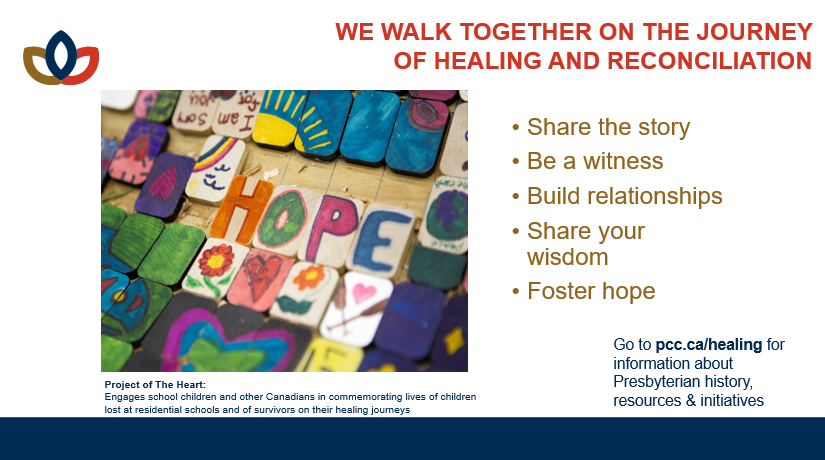
As unmarked graves at former residential schools continued to dominate the news, we felt called by God to host a series of presentations, open to the community, to further our and others’ efforts to understand the legacy, build respectful relationships and be part of the healing and reconciliation that we say we are committed to fostering.

With the second in the series taking place next Wednesday, May 25, we are looking forward to how the church can help healing. Rev. Margaret Mullin and Rev. Linda Patton-Cowie, along with Barrie Native Friendship Centre elder advisor Ernestine Baldwin, share their insights, and the series wraps up June 22 on treaties with Indigenous lawyer Roger Townshend and treaty researcher Dan Shaule.

In the first session, Lori Ransom, an ordained Presbyterian elder who now does healing and reconciliation work with the United Church of Canada, helped us understand the context, what happened in residential schools and the effects they had and continue to have on Indigenous individuals, families and communities.
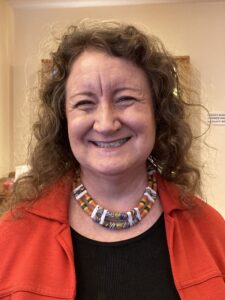
 

In her role as a Senior Advisor, Church and Interfaith Relations with the Truth and Reconciliation Commission, she brings insights into the trauma and the 94 Calls to Action the TRC recommended. Her inspiration is the people she has met who shared their experiences of deep childhood trauma, including a woman she met in 2007, not long after she became the PCC’s first Healing and Reconciliation Program animator.

“She, like many others I would hear in the years that followed, brought me to tears as she related what a poor mother and grandmother she had been because of her own experiences at residential schools, and she apologized to these children and grandchildren as she spoke; one of whom stood beside the survivor with her arm around her.

“The impact of the residential schools, which many these days are starting to call residential institutions, rather than “schools,” on families and communities for generations was so palpable then and at other times along the way that it can’t help but motivate me to act,” she said.

Ransom noted the residential school story begins in the 1600s in New France, when Indigenous children would board at Jesuit schools. In the 1830s, what we know as residential schools began to open, and in 1886, a federal report noted the aim of the schools was to “transform from the natural condition to that of civilization.”

In her presentation, she pointed out, for example, that children from Sarnia would be sent to a school near Sault Ste. Marie, as “it was recognized kids needed to be away from their parents to learn English or French and Eurocentric traditions.”

Imagine the communities without children and what it would feel like. Imagine the worries and pain of missing your children, some of whom never would return and those who did returning traumatized, she said at St. Andrew’s Barrie.

She suggested that any one of us can learn more by reading books by Indigenous authors, joining in local friendship centre or nearby First Nation events or learning more in the Indigenous Canada course like that offered by the University of Alberta, online and free of charge.
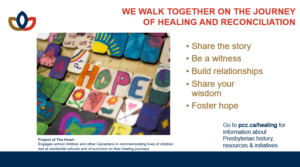
“The faith of these survivors that by going on record they could somehow make things better for their children and grandchildren and communities inspires my own faith.  I noted several times how these survivors were not naïve in this hope; they spoke about past inquiries and commissions and reports about Indigenous people and how little had been done to implement recommendations, yet they carried on with a hope that it was critically important to share their stories and advocate for change,” said Ransom.

“They said this, often, surrounded by their loved ones and it was clear that first and foremost their concern was for their loved ones’ future and the future of their people.  And yes, my own faith and understanding of what is to be Christian, convicts me that churches very much have a role to play in, and a responsibility to support, the work of healing and reconciliation.”
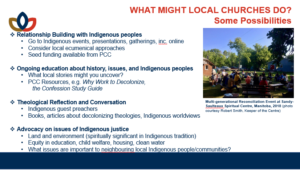
Watch the first recordings on St. Andrew’s Barrie’s YouTube channel, https://youtu.be/UXisoMeZGgM,  then join us in-person or online on YouTube at 7 p.m. May 25 and June 22. To help cover our costs, there is a freewill offering, but we are suggesting a $10 donation.

Read More
15 May
0

As Jesus loves us, we love others

Inclusivity.

It matters. Because it matters to Jesus. And to His disciples, including Peter, who shares the good news of Jesus’ saving love and power with the Gentiles, a group that the religious establishment didn’t exactly embrace.

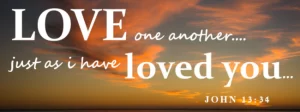
Jesus’ commandment is a simple one – or so it might seem upon  first reading. Love one another as I have loved you.

Stop there. “As I have loved you.”

Jesus lived, died and rose again for each of us. Incredible, all-embracing and self-sacrificing love.

He did this for you and for me, for all of us.

Where we come from doesn’t matter. What our struggles are isn’t the issue. What matters is that we follow Him and share this all-accepting love with others.

An elementary teacher of mine once said that if you start discriminating against someone for whatever reason, you ultimately open the door for discrimination against those you love or perhaps even yourself.

We all are unique, beautifully made beings who each have some gift to share with others. Like the flowers of the field, we are diverse and unique, but beautiful.

St. Andrew’s healing and reconciliation series continues May 25. We recognize the grievous past mistakes our forefathers made and acknowledge the trauma caused. We want to learn more and build relationships that are respectful and together we will build a better Canada.

We talk about housing and the need for a broad range of housing options in Barrie. The housing stock must be diverse and be expanded if more people are able to afford a place to call home. We also advocate for a range of support services that help those who face housing barriers – perhaps because of a lack of life skills or a struggle with behaviour that has caused them to be excluded.

We pray for supportive services, in-home and in a residential setting, for those who are frail elderly and those who have developmental challenges.

We look at each person and see someone Jesus loves.

How can you help relay that accepting and unconditional love to others?


Read More
12 May
1

Helping people become – and stay – housed

Earlier this week, there were 150 tents pitched along Lakeshore Drive in Barrie.

It wasn’t a kid’s camping event, unfortunately. It was an awareness initiative of the housing crisis we face in Barrie.

Everyone knows how expensive it is to own and to rent in the city. Barrie ranks 6th in Canada in April 2022, according to the Canadian Rent Report, published on Zumper, an apartment rental site; read more at https://www.zumper.com/blog/rental-price-data-canada/

And as the only urban growth centre north of the GTA, Barrie is a destination for work, education and social services.

So no government officials should have been surprised with the reality that faces many individuals: they have nowhere to go but the streets or the parks when the pandemic hotel-model for shelters ends. Currently, while congregate living pandemic restrictions are in place, the Busby Centre can accommodate 25 people and the Elizabeth Fry 17. The virus spreads through congregate living settings like wildfire, unfortunately, as people are so close together. It is still incredibly sad to recall what happened at Roberta Place Long-term Care: 71 people died from Covid-19. To keep people safely housed, those who would be homeless were accommodated in a hotel.

So what do we do?

We each need to advocate for not just more affordable housing for all of us, but we need housing now for these individuals who struggle to stay housed.

That takes looking at the cause or reason(s) why these individuals are facing this challenge. It requires courageous conversations with people to identify and address their needs.

Stable housing is essential to well-being. (read more at https://www.cpha.ca/what-are-social-determinants-health)

Is the cause of not being housed a lack of social skills? Financial literacy? An inability to find a job or keep one? A struggle with literacy, that would interfere with an individual’s ability to access government supports? These are just a few possibilities. They remind us that those now in the hotel-model shelter rooms are people, individuals who have the same needs for security and acceptance that we all do.

If the hotel-shelter model has been working, why not build on it? Give each person their own space – and their dignity. Help them to manage it with wrap-around supports that build on organization, social skills and self-care and management. Help them build the skills so they can find a better place to call their own and to create a better life for themselves.

It takes a community to raise a child. But if you consider what that means, it really means that it takes a community to help those struggling to learn to be independent and self-sufficient.

Let’s work together to build a better community. And perhaps, that starts with a supportive living place where people can begin to heal from their trauma or build the skills they  need to stay housed and stay well.


Read More

08 May
0

We are His people and the sheep of His pasture

Spring finally arrives, with the early bulb flowers opening this week. With spring, we also have new lambs.

Which brings us to this week’s worship, which unfortunately didn’t get recorded or live-streamed.

So let’s take a walk together in God’s still pastures, past streams of water, and contemplate God’s love for His people, including each one of us.

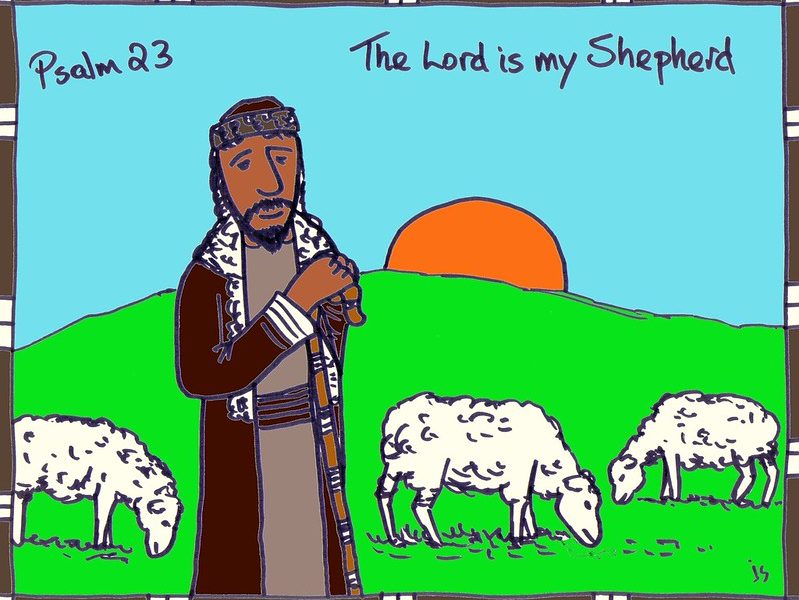
Psalm 23 is so well-known it can be taken for granted, as the words quickly roll off our tongues. Slowing down, we walk with our Lord through the pastures and be still for a bit.

Sheep farmers know all too well that sheep require constant, vigilant care. They are entirely dependent on their shepherd. In areas where flocks mingle, each sheep knows his shepherd’s voice, and the sheep follows him home to familiar, safe pastures. Individually they do so and the shepherd creates community for the sheep as their needs, known and unknown, are more than met.

In Ezekiel 34, verses 11 to 16, God promises that He will seek out his sheep, rescue them from all places where they’ve been scattered on days when the clouds have been dark and dense, and will feed them.

He promises to strengthen the weak, bind up the crippled and watch over the fat and strong.  Inclusive care that’s customized and appropriate care for each sheep!

Ezekiel certainly adds detail and context to Psalm 23.

Slow down. Listen to the Shepherd’s voice. Know that He is with you and watching over  you. Face today knowing you are not alone.


Read More

01 May
1

Our history is full of people caring and sharing

Today at St. Andrew’s we celebrated our 173rd anniversary.

Our faith community dates back to September 1843, when a group of Presbyterians began worshipping together. Our sanctuary, located kitty-corner from Barrie Public Library’s downtown branch, opened on Feb. 15, 1883. Before that, we met in the Wesleyan Methodist chapel and then our own, first building, a frame church built on the north side of Collier Street at Clapperton Street.

But the church is not a building; it is a people.

Why? Because Jesus is all about sharing His love with people. Wherever He went, He shared and He cared. He ultimately went to the cross for us – but He rose again and He lives forever.

We celebrated the contributions of those who have been with us a long time – including two 60-year-members and those who have joined us just recently – and all of us in-between. Having such diversity of people is an incredible gift and as, hopefully, life returns to “normal”, we can share our gifts even more and celebrate God’s steadfast love for us.

Our choir began practising for the first time today; we welcome new voices with new explorations of music with Yesi, our music director. In her short time with us, she has literally helped the bells ring out – with our children’s and youth hand bell choirs. A praise team will also be forming, with the first  practice before the service next Sunday. Music has always been such an important part of life at St. Andrew’s and it’s incredibly exciting to see our music program grow again, after pandemic restrictions.

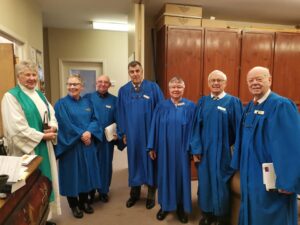
(As we look back, we remember the choir from 2020, just before the pandemic hit.)

The voices – the basses, tenors, altos and sopranos – add so much to our service. It will be exciting to see what other musical talents – and instruments – join our praise team, and add to the Casavant organ and piano.  But instruments don’t make music; people do.

Sharing God’s steadfast love is done by each of us, in the small moments, as we share our talents or simple words of encouragement and hope.

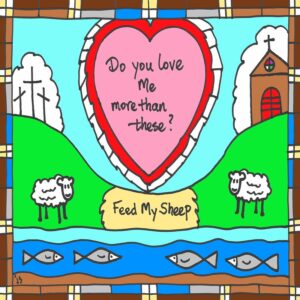
We saw that today, in our Gospel reading, John 21:1-19, when Jesus lights a fire to cook fish for breakfast for the disciples, who were fishing. He encouraged them and gave advice – and as a result, their nets were filled. It is in the simple, everyday moments that God’s love can break through the clouds and warm us.

We feed one another as we listen, as we share and as we encourage each other to face the day. Join us and discover what God, you and us can do together.


Read More
567912